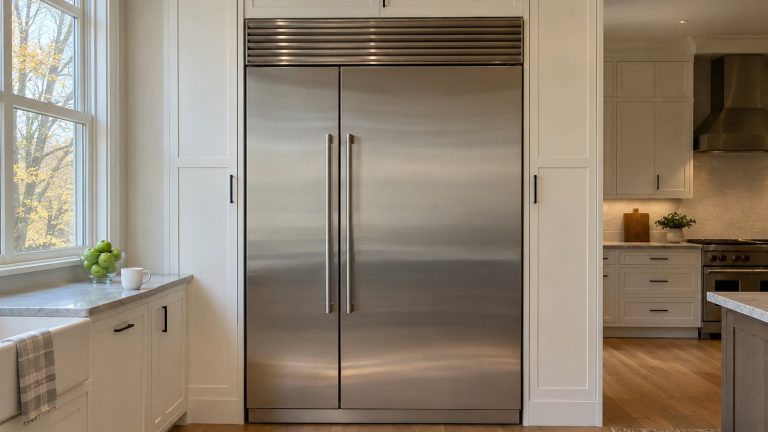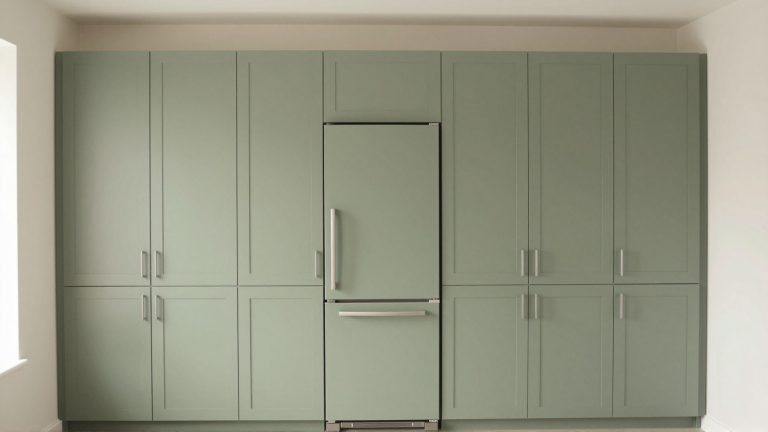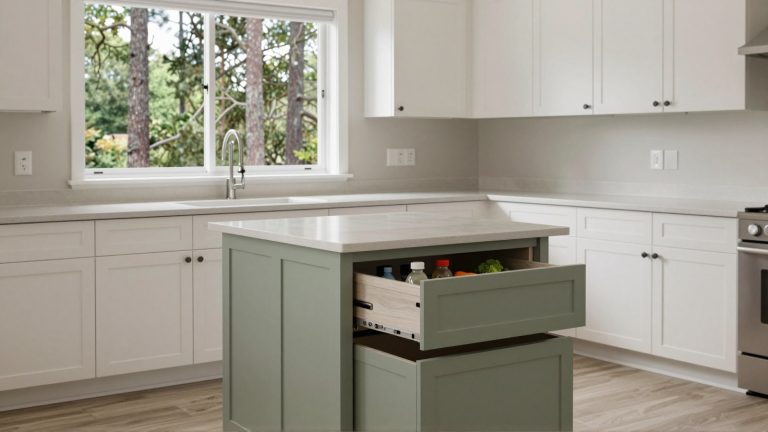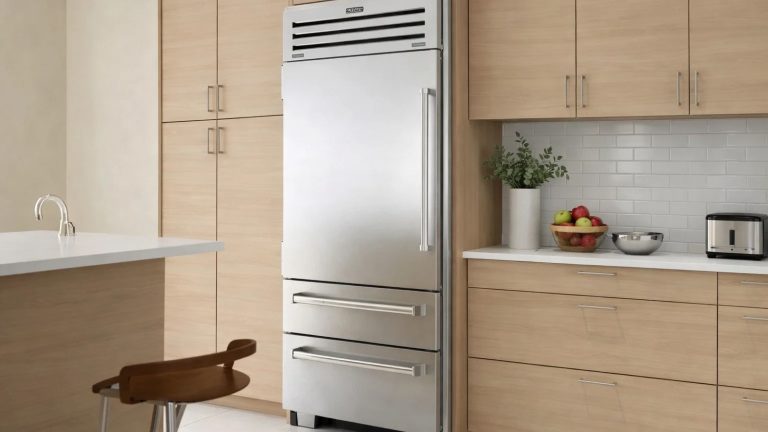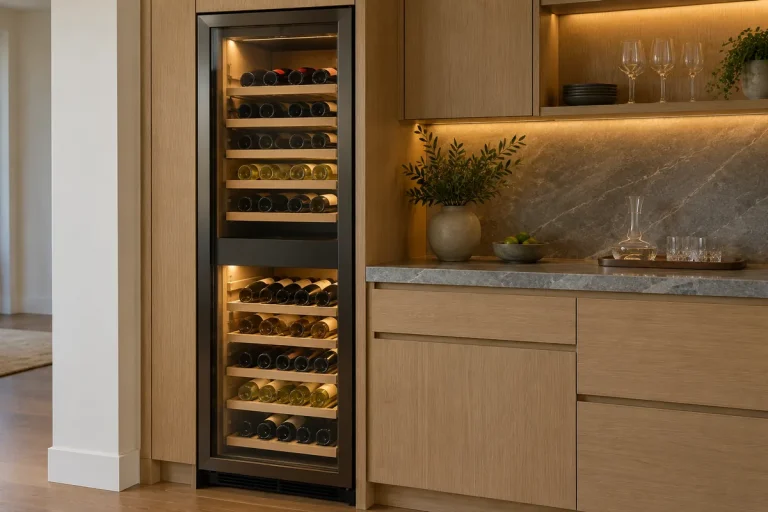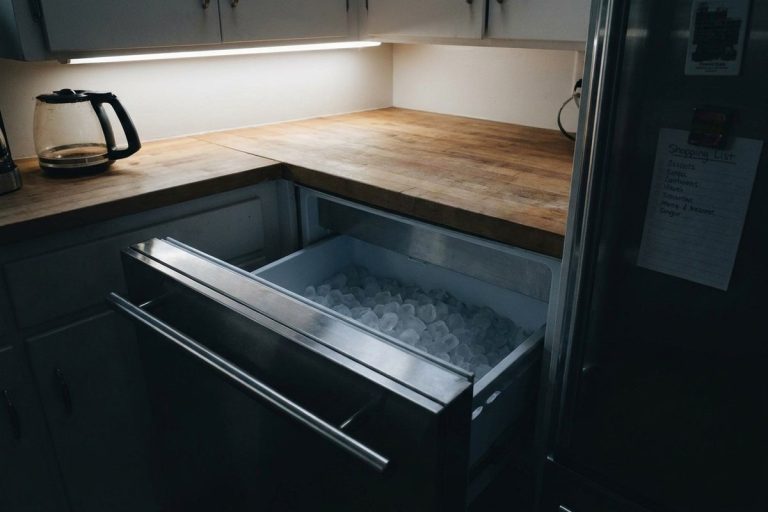
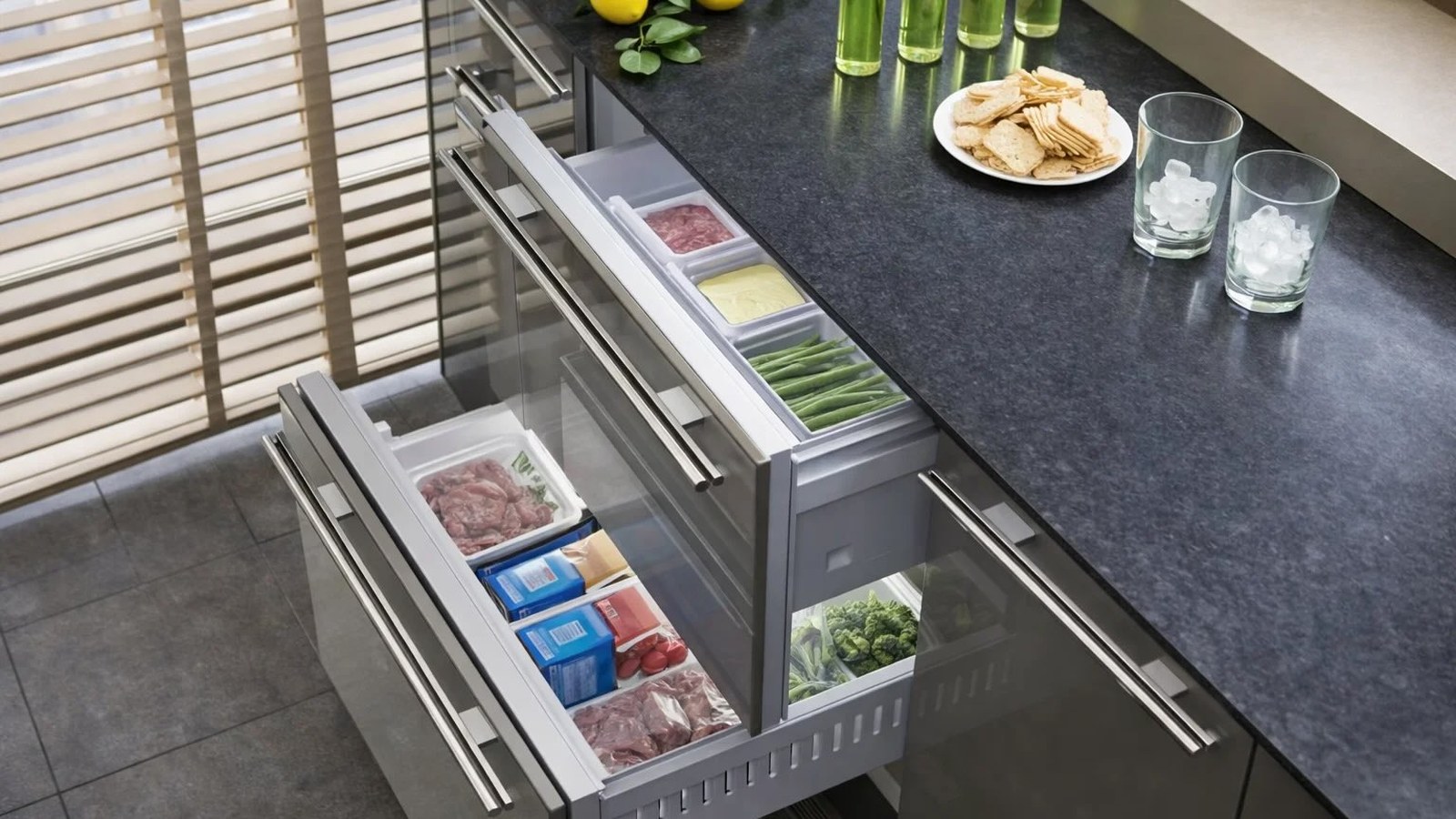
Sub-Zero drawer refrigerators and freezers are a favorite in high-end kitchen remodels: two sleek pull-out drawers tucked under the counter that give you chilled drinks, fresh produce, or extra frozen storage without eating up floor space. You’ll find them in the older 700 Series, in the Designer (ID) integrated drawers that hide behind cabinet panels, and in the Designer Undercounter line. They look minimalist and work hard, which is why designers love specifying them for islands, wet bars, and primary suites.
But because they’re compact and live in tight, high-traffic spots, temperature trouble shows up fast. Dust on the condenser, a drawer that doesn’t quite close, or a sensor starting to fail, and suddenly your drinks are warm or your berries are frozen solid. Those are classic compact unit temperature issues that many owners eventually run into.
Here’s the good news first: a little movement on the display is normal. Sub-Zero says temperatures can fluctuate slightly — about 5°F up or down — with an open drawer, humidity, and room temperature. So the question isn’t “did the number move?” It’s “is it moving more than it should, and is the food actually warm?”
In this guide we’ll show you:
- the most common drawer temperature issues we see, and what Sub-Zero says about each;
- what differs between the drawer series;
- the quick checks you can do today, the way Sub-Zero describes them;
- and when it’s time to stop troubleshooting and call someone who won’t damage your cabinetry.
Stick with us for the next few minutes and you’ll know how to keep those drawers at a steady temperature, no matter how many times the kids yank them open. Let’s dive in.
Most Common Temperature Problems & What Triggers Them
These are the complaints we hear most often on Sub-Zero drawer units, with what the manufacturer’s own troubleshooting says about each:
- Undercounter drawer cooling problems
The drawer starts at 38°F but slowly creeps warmer over a day or two. The first suspect is a dirty condenser. On undercounter models it sits at the bottom of the unit, behind the kickplate, and Sub-Zero warns that failing to clean it “could result in temperature loss, mechanical failure, or damage.”
- Drawer fridge temperature unstable in the whole unit
Readings move around through the day. Sub-Zero lists the possible causes as airflow or food storage, a door or drawer left ajar, the thermistor (the temperature sensor), the control board, or the sealed system. Start with the simple ones: Sub-Zero notes that a freshly loaded unit can take up to 24 hours to stabilize, and that opening a drawer again and again makes temperatures swing.
- Drawer temperature instability in different sections
One drawer is fine, the other is off. On combination units (refrigerator drawer plus freezer drawer), each zone has its own temperature setting, and Sub-Zero says Designer combination units have two compressors. So one warm drawer next to a normal one points at that zone’s own sensor, fan, or cooling circuit. Sub-Zero asks owners to note whether only one section or all sections are warm — it helps the technician.
- Undercounter fridge too warm
The drawer sits well above the setting no matter what you do. Sub-Zero’s rule of thumb: if the refrigerator reads above 48°F with a 38°F setting, a condenser cleaning is unlikely to bring it back, and service is needed. Frost inside the unit is a related sign; Sub-Zero links it to a dirty condenser, a drawer not closing properly, or a torn gasket.
- Drawer freezer too cold
Ice cream rock-hard and the display reading far below the setting. First check the basics. Sub-Zero’s Designer (ID) freezers can only be set between -5°F and 5°F, so an extreme number on the display isn’t a setting. Sub-Zero names two causes: the display may be in the wrong temperature units (°C instead of °F), or a stuck relay may be running the compressor non-stop.
- Drawer rapid temperature changes
You close the drawer at 38°F and the display jumps every time someone opens it. Some of that is normal: Sub-Zero says that, depending on the model, the shown temperature may rise 1°F for every minute a door or drawer is open. If the number doesn’t settle back after the drawer stays closed, check that the drawer closes fully and that the gasket isn’t torn.
Left alone, a real cooling problem can spoil food and wear out the compressor early. The FDA’s guideline is to keep refrigerated food at 40°F or below.
Seeing one of these happening right now? Don’t wait for the groceries to spoil. Book Sub-Zero refrigerator repair — we offer same- or next-day appointments.
Models That Act Up Most Often
Drawer units from different generations behave differently. Here’s what Sub-Zero’s own guides say about each series, and what we watch for:
| Series | What Sub-Zero says | What to watch for | Owner-fixable? |
|---|---|---|---|
| 700 Series drawers (for example, 700BR) | All-refrigerator and all-freezer 700 Series units have one compressor; the door alarm sounds after 30–60 seconds and can’t be adjusted | Older units with a condenser that hasn’t been cleaned in a while | Sometimes (condenser, drawer closing) |
| Designer (ID) integrated drawers | Refrigerator range 34–45°F, freezer -5°F to 5°F; the upper drawer connects to the unit by a control cable at the interior left rear | Readings that drift after a drawer was removed and reinstalled | Sometimes (cleaning, checking the drawer closes) |
| Undercounter (UC) models | Preset at 38°F and 0°F; “SERVICE” flashes if a temperature problem is detected or the condenser needs cleaning; condenser every 3–6 months | A flashing SERVICE indicator | Sometimes (condenser, power reset) |
| Designer Undercounter models | Preset at 38°F and 0°F; condenser every 6–12 months; “showroom mode” can show 38° and 0° without cooling | Display looks normal but the unit isn’t cooling | Rarely (showroom mode needs Sub-Zero Customer Care) |
A quick pattern we’ve noticed: older drawer units in busy kitchens are the ones that need a sensor or control board when temperatures go haywire, and usually only after a condenser cleaning didn’t help. Newer units more often turn out to have a simple cause — a drawer that doesn’t close, a fresh load of groceries, or a condenser nobody has cleaned yet.
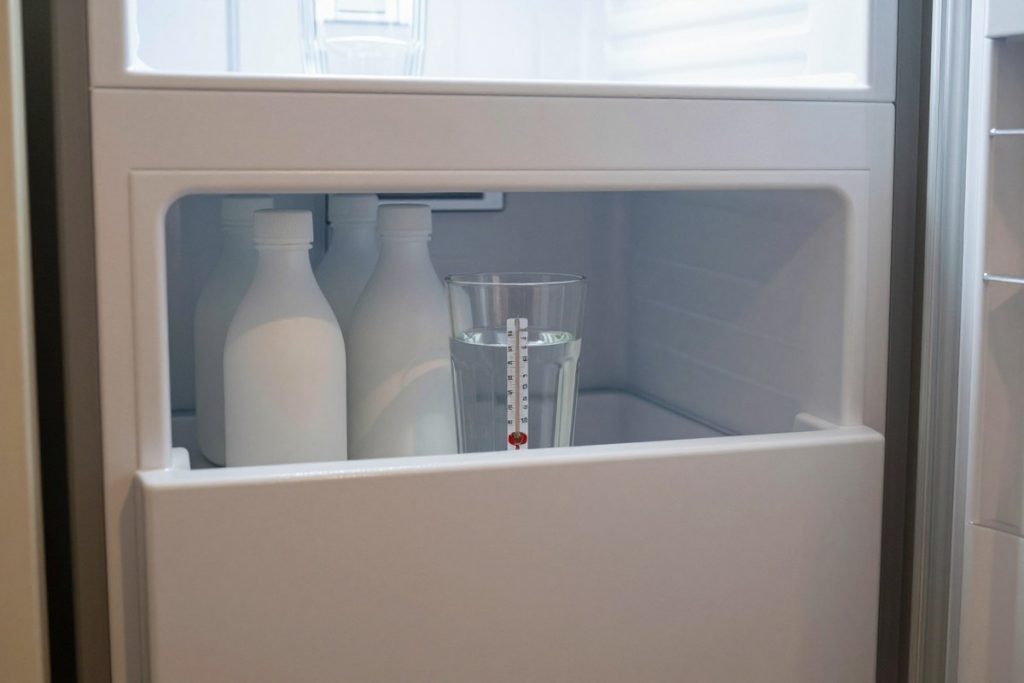
One more thing worth knowing: the number on the display isn’t a thermometer reading. Sub-Zero says the display shows the setpoint, and air temperature isn’t an accurate measure of cooling. To check for real, put a thermometer in a glass of water (or vegetable oil in a freezer), set it in the middle of the drawer, and wait 12 hours.
How to Fix Temperature in Drawer Units
Five Things You Can Knock Out Tonight
- Clean the condenser. Turn the unit off at the control panel first and wear gloves — the fins are sharp. Remove the kickplate screws, then use a soft brush and vacuum, moving in the direction of the fins. Sub-Zero says temperatures can take up to 24 hours to return to normal afterward. On a unit less than six months old, Sub-Zero says the condenser doesn’t need cleaning yet.
- Make sure every drawer closes fully. Move anything that blocks it. Turn on the door ajar alarm if it’s off; on Designer models you can set it to sound after 5 to 90 seconds.
- Reset the power. Sub-Zero recommends resetting power at the electrical supply and then allowing 24 hours for temperatures to stabilize. The unit should be on a dedicated electrical supply.
- Check the gasket. Look for rips or tears all the way around the drawer. Sub-Zero says a damaged gasket should be replaced — that’s a job for a technician.
- Give the air room to move. Rearrange items so the drawer isn’t packed tight. Sub-Zero says cooling is most efficient when air can circulate.
If there’s heavy frost, Sub-Zero allows one more step: turn the unit off and melt the ice with a hair dryer on low, kept moving at all times, then wipe up the water. Don’t chip ice with tools.
Still seeing wild swings after a day? Then it’s time for a pro.
When DIY Stops and a Tech Takes Over
Troubleshooting drawer temperature on these compact units gets tricky once you’re past cleaning and resets. Sub-Zero itself says only a trained service technician can determine the exact cause of a cooling issue. The usual causes at that point are:
- a failed thermistor (temperature sensor) or a faulty control board;
- a fan motor that isn’t working properly;
- a drawer cable or connection on integrated models that wasn’t reseated correctly;
- a sealed-system problem — the compressor, evaporator, or refrigerant circuit.
Those aren’t weekend fixes. Newer Designer Undercounter units even carry a warning that they contain flammable refrigerant and may be serviced only by technicians trained to handle it. One wrong move can also mean damaged cabinetry or panels.
That’s exactly why our technicians arrive prepared for 700 Series, Designer, and undercounter drawer units, with genuine OEM parts. We test the sensors, fans, and controls, measure the real temperature, and fix the cause instead of guessing.
Drawer going warm, cold, then warm again? Schedule Sub-Zero refrigerator repair and we’ll get your drawers holding steady again.
Conclusion
Sub-Zero drawer units are brilliant when they’re happy, but because they’re tucked under counters and opened fifty times a day, they’re also quick to show it when something goes wrong. A dusty condenser, a drawer that doesn’t quite close, or a tired sensor is often all it takes to turn a steady 38°F into a roller-coaster.
Keep in mind that small swings of about 5°F are normal, and that the display shows the setting, not the food temperature. Do the quick checks, give the unit 24 hours, and measure with a glass of water. If the drawer still runs warm — especially above 48°F with a 38°F setting — or the freezer stays far off 0°F, it’s time for service.
Either way, you don’t have to live with unstable drawers. When cleaning and resetting isn’t enough, one call gets a trained technician with the right parts to your door. Our technicians are EPA 608 certified and background-checked, we’re family owned and insured, and on Sub-Zero repairs our warranty covers parts and labor for up to 12 months.
Your kitchen deserves drawers that stay exactly where you set them. We’re here to make that happen.
FAQ
My fridge drawer reads 55°F no matter what I set it to. Is the whole unit shot?
Not necessarily, but it does need service. Sub-Zero says that above 48°F with a 38°F setting, a condenser cleaning is unlikely to fix it. The cause can be a sensor, a fan, the control board, or the sealed system — a technician can tell which. Food above 40°F is outside the FDA’s safe-storage guideline, so move perishables to another refrigerator.
My freezer drawer freezes everything rock-hard. Can I just turn the setting up?
First check the display is in °F, not °C. If the setting is right and the freezer still runs far too cold, Sub-Zero names a stuck relay that keeps the compressor running as a possible cause. Turn the unit off at the control panel and listen — if it keeps running, service is needed.
My drawer unit clicks but doesn’t cool. Is it a bad compressor?
Not always. Clicking without cooling can come from an electrical part that helps the compressor start, the control, or the compressor itself. It needs a proper diagnosis, so don’t keep turning the unit on and off. Call for service and keep the drawers closed in the meantime.
The temperature jumps every time someone opens the drawer. Normal?
Some of it is. Sub-Zero says the shown temperature may rise about 1°F for every minute a drawer is open, and slight swings of about 5°F are normal. If the number doesn’t recover after the drawer stays closed for a while, check that it closes fully and that the gasket isn’t torn.
How do I check the real temperature inside a drawer?
Put a thermometer in a glass of water (use vegetable oil in a freezer), place it in the middle of the drawer, and wait 12 hours. Sub-Zero says the display shows the setpoint, so the glass test is the honest reading.
How long can food stay in a drawer that’s running warm?
Food kept above 40°F is outside the FDA’s guideline for safe storage, so once a refrigerator drawer passes that point, move perishables out. If a freezer drawer stays well above its 0°F setting after a day, move the food to another freezer and call for service.
Sub-Zero is a trademark of its respective owner. We are an independent appliance repair company and are not affiliated with or endorsed by Sub-Zero Group, Inc.