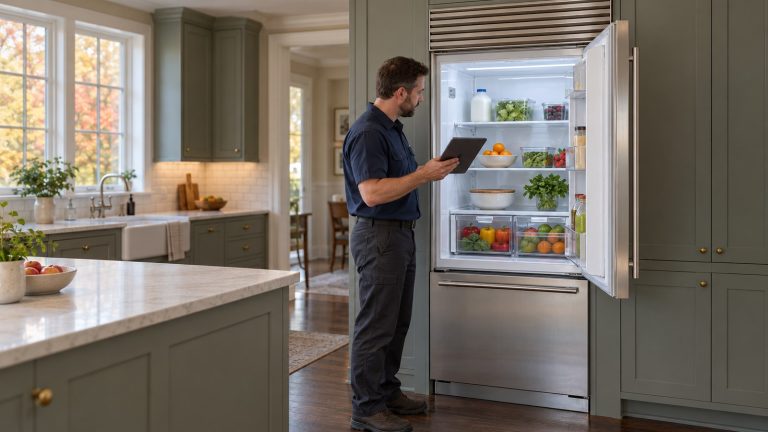
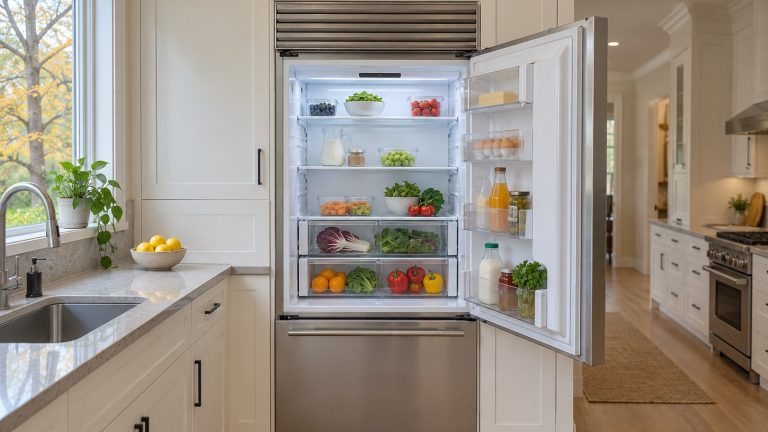
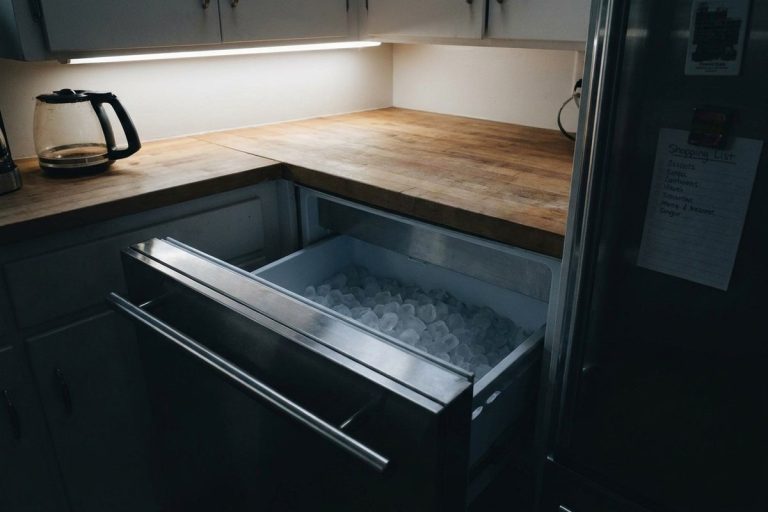
It’s the first truly hot week of the year. The kitchen feels sticky by noon, and your Sub-Zero seems to be running more than you remember. Nothing is broken — but you can hear it working.
Living in the Atlanta area means dealing with some pretty intense weather: long, steamy summers with high humidity, occasional wild temperature swings, and winters that can surprise you with a sudden freeze. For your Sub-Zero refrigerator, that mix can quietly take a toll.
Many homeowners notice their refrigerator starts working harder in a hot climate: the compressor runs longer, the door seals wear faster, and minor issues turn into bigger problems sooner. Homeowners often ask us why their refrigerator works harder in summer. Heat, humidity and dust can shorten the life of even the best-built appliance if it isn’t maintained properly.
In this guide we’ll walk through what’s happening behind the scenes, how these conditions affect your Sub-Zero, and what you can do — season by season — to keep it running smoothly. The steps follow Sub-Zero’s own care guide; check your owner’s manual for your model’s details.
Already seeing trouble in the heat? Our Sub-Zero refrigerator repair team offers same- or next-day visits across the Atlanta area.
How a Hot, Humid Climate Affects Sub-Zero Refrigerators
Heat, humidity and airborne dust all work against your Sub-Zero, making it work harder than it would in a cooler, drier climate. Here are the biggest factors.
Heat
Hot summer days force the compressor (the motor that drives the cooling) to run longer to hold the set temperature inside. Sub-Zero says so directly in its troubleshooting list: “Increased ambient temperatures may cause the compressors to run longer.” A kitchen that heats up in the afternoon — or a refrigerator near a sunny window or an oven — feels that more.
Longer run times by themselves are normal in summer. The problem starts when the system also has to fight a dusty condenser or a leaking seal, because then the extra strain never lets up.
Humidity
Humid air brings moisture in every time a door opens. Sub-Zero notes that some condensation inside the unit or on shelves and drawers is normal after a door has been open, and that “in warm climates, this will be noticeable more quickly.” Keep the door closed, and the fogging clears on its own.
Where humidity really costs you is at the seal. A gasket that is worn or torn lets moist air in all day long, and that moisture turns into frost, uneven cooling and longer run times.
Water Quality
Water quality varies from home to home, even within the same city. If your water carries sediment or minerals, the water filter does more work and wears out sooner, and an overdue filter can slow ice production. Sub-Zero’s ice checklist asks you to verify that the filter has been replaced within the last 12 months, and it lists blue or green ice as a possible sign of copper supply line corrosion — a job for a plumber.
Dust and Pollen
Spring and fall bring heavy pollen, and year-round dust gets pulled toward the condenser behind the kickplate. A dirty condenser makes the system work harder and lose efficiency. Sub-Zero is clear about the risk: “Failure to clean the condenser could result in temperature loss, mechanical failure, or damage.”
Struggling with any of these already? Our Sub-Zero refrigerator repair technicians can check the system before a small problem grows.
How to Reduce These Impacts and Extend Your Sub-Zero’s Lifespan
The good news? You don’t have to sit back and watch the weather wear down your Sub-Zero. With a few habits, you can cut down on wear and avoid expensive repairs:
1. Clean the condenser every six to twelve months.
That’s Sub-Zero’s interval in the Designer Series guide and on its help page for undercounter models. In a home with pets, a lot of dust or heavy pollen, lean toward the shorter end — late spring, before the heat, is a good time. Sub-Zero’s steps: turn power off at the control panel, wear gloves (the fins are sharp), remove the kickplate’s two screws, and use a soft bristle brush and a vacuum. It can take up to 24 hours for temperatures to settle afterward.
2. Replace the water filter on schedule.
In the Designer Series guide, the filter life cycle is about one year, and “Snooze/Refresh” on the control panel tells you when it’s due. Replace it sooner if ice production slows or the water tastes off. After a new filter, clear air from the system: dispense several glasses over about two minutes, or on models without a dispenser, throw away the first two full containers of ice.
3. Keep the door seals clean and intact.
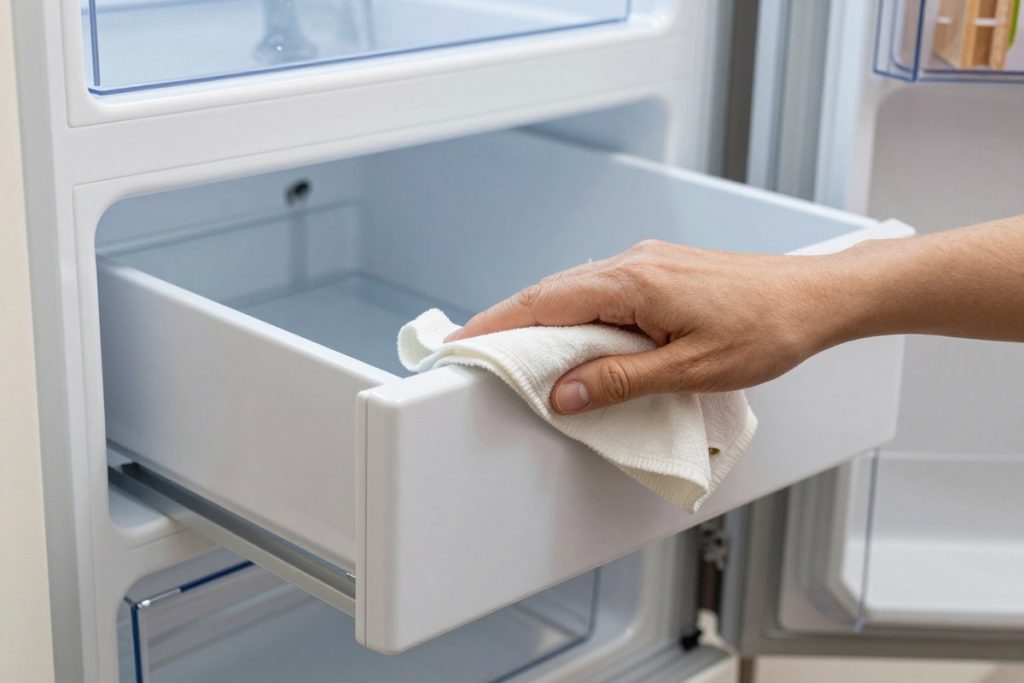
Wipe the seals with mild soapy water and dry them. Never use vinegar or alcohol-based cleaners. Close the door on a strip of paper at several points — if it slides out easily, the seal isn’t gripping there. Sub-Zero says a gasket with rips or tears should be serviced.
4. Keep humid air out.
Close doors and drawers fully and keep openings short, especially on muggy days. If your kitchen stays humid all summer, running the air conditioning or a dehumidifier helps the whole kitchen, the refrigerator included.
5. Keep the vents clear.
Keep the ventilation openings in the refrigerator and the cabinetry around it clear. Don’t block the kickplate grille with rugs, bins or cabinetry.
6. Replace the air purification cartridge yearly.
Sub-Zero says the cartridge lasts about a year; “Snooze/Refresh” appears when it’s time. A fresh cartridge helps with odors and food storage — especially useful when summer produce fills the crisper.
7. Book a professional check when something changes.
A technician can catch early signs — longer run times, a fan that’s getting noisy, frost in odd places — before they become failures.
Follow these steps, and you’ll usually notice steadier performance and fewer service calls.
Winter and Vacation Care
Winter is easier on a Sub-Zero, but a couple of situations need attention:
- Long trips: for extended vacations, Sub-Zero says to turn power off at the control panel, empty the unit, and block the doors open slightly to let fresh air in and keep the interior dry. Replace the water filter before start-up.
- A refrigerator in a cold space: if a unit sits in a garage, a porch or a vacation home, check the installation requirements in your model’s guide before relying on it through a freeze; outdoor Sub-Zero models have their own warranty and guide.
- After a power outage: keep the doors closed and give the unit time to recover before changing settings.
7 Signs Your Sub-Zero Refrigerator Isn’t Handling the Heat
Sub-Zero units are built tough, but heat, humidity and dust can push even the best models. When that happens, they usually give clear warning signs before they fail. If you spot any of these, it’s time to act:
1. The compressor runs constantly or cycles on and off too often.
Some extra run time in summer is normal. Constant running, especially with rising temperatures inside, usually means the unit is fighting a dirty condenser, a leaking seal or a part that’s wearing out.
2. Uneven cooling — some areas too warm, others frosting up.
Poor airflow or a failing seal is often the cause. If the crisper feels warm while the top shelf is icy, that’s a classic sign.
3. New grinding, or a noise that keeps getting louder.
Some clicking and humming is normal, but a new grinding sound or a noise that grows can point to a struggling fan or compressor. Note when the noise happens and how long it lasts.
4. The ice maker slows down or stops.
Check the basics from Sub-Zero’s list: the ice maker has been on for at least 24 hours, the freezer is near 0°F, the bin is installed and the arm is down, water is reaching the unit, and the filter has been replaced within the last 12 months.
5. Water from the dispenser tastes off or flows slowly.
An overdue filter is the first suspect. If the problem stays after a new filter, the water system needs a look.
6. Excessive frost or condensation inside the unit.
Sub-Zero’s frost checklist: verify the condenser is clean, the door or drawer closes properly and hasn’t been left ajar, and the gasket has no rips or tears. If icing is heavy, Sub-Zero says to turn the unit off and melt the ice with a hair dryer set on low and kept moving — keep the dryer and its cord away from the melt water, and never leave it running unattended.
7. Temperature swings or alerts on the control panel.
If the temperatures keep drifting, or the panel keeps showing warnings, the unit is struggling to keep up. One quick check first: if the display shows 38 and 0 but nothing is cooling, Sub-Zero says the unit may be in Showroom Mode, a store setting — contact Sub-Zero Customer Care.
If you’re seeing two or more of these signs, don’t wait for it to get worse. A quick check now can save you from a bigger repair later.
Do-It-Yourself Care vs. a Technician
Some Sub-Zero upkeep is simple enough to handle yourself: cleaning the condenser, replacing the water filter and the air purification cartridge, keeping the gaskets clean, and melting heavy ice the way Sub-Zero describes.
But when the problem involves the sealed system, the compressor, refrigerant lines or the electronics, do-it-yourself attempts can do more harm than good. Sub-Zero’s guide notes that its appliances may contain flammable refrigerant and must be serviced by qualified personnel.
Check your warranty first. Sub-Zero’s residential warranty covers parts and labor for two years from installation, and the sealed system (compressor, condenser, evaporator, drier — a small moisture filter — and tubing) for five years, with sealed-system parts (not labor) covered through year twelve. Warranty work is handled through Sub-Zero’s own service network, so if your unit is still covered, contact Sub-Zero first.
Why Homeowners Call Us
PRO Appliance Repair is a family-owned, insured team with 15+ years in appliance repair, including years of hands-on work on Sub-Zero refrigerators.
- EPA 608 certified, background-checked technicians — EPA 608 is the federal certification required to work with refrigerant.
- Genuine OEM parts (made by the original manufacturer) for your Sub-Zero model.
- Our warranty covers parts and labor for up to 12 months.
- Same- or next-day service across the Atlanta area, most days.
And if a part doesn’t actually need replacing, we’ll tell you.
Conclusion
Hot, humid summers are hard on any refrigerator, including a Sub-Zero. Heat, humidity and dust add up, quietly wearing down components and shortening the life of even the toughest units.
The key is staying ahead of the problem: a clean condenser, filters on schedule, and a little extra attention to seals and airflow make a real difference. When you notice early warning signs — constant running, uneven cooling, or slow ice — don’t ignore them. A small fix today often prevents a major breakdown tomorrow.
Frequently Asked Questions
How does humidity affect my Sub-Zero refrigerator?
Humid air enters every time a door opens, and Sub-Zero notes that condensation shows up more quickly in warm climates. With a worn or torn gasket, that moisture gets in all day long, causing frost, uneven cooling and longer run times.
Can poor water quality damage the ice maker and dispenser?
Sediment and minerals make the filter work harder and wear out sooner, and a clogged filter can slow ice production. Replace the filter on Sub-Zero’s schedule (about once a year, or when prompted) and sooner if ice slows down. Blue or green ice can mean corrosion in a copper supply line — call a plumber.
How often should I clean the condenser?
Sub-Zero says every six to twelve months. In a home with pets or a lot of dust and pollen, aim for the shorter end, and do it before summer starts.
Is it normal for my Sub-Zero to run longer in summer?
Yes, to a point. Sub-Zero notes that higher room temperatures can make the compressors run longer. If it runs nonstop and the inside temperatures are climbing, check the condenser and the door seals, then call for service.
What should I do with my Sub-Zero before a long vacation?
For an extended trip, Sub-Zero says to turn power off at the control panel, empty the unit, and block the doors slightly open so the interior stays dry. Replace the water filter before you start it up again.
How soon can you come out if my Sub-Zero is struggling in the heat?
Usually same- or next-day across the Atlanta area. Have the model and serial numbers ready — they’re on the product rating plate — and tell us what you’re noticing.
Disclaimer: PRO Appliance Repair is an independent repair company and is not affiliated with or endorsed by Sub-Zero Group, Inc. All trademarks belong to their respective owners.