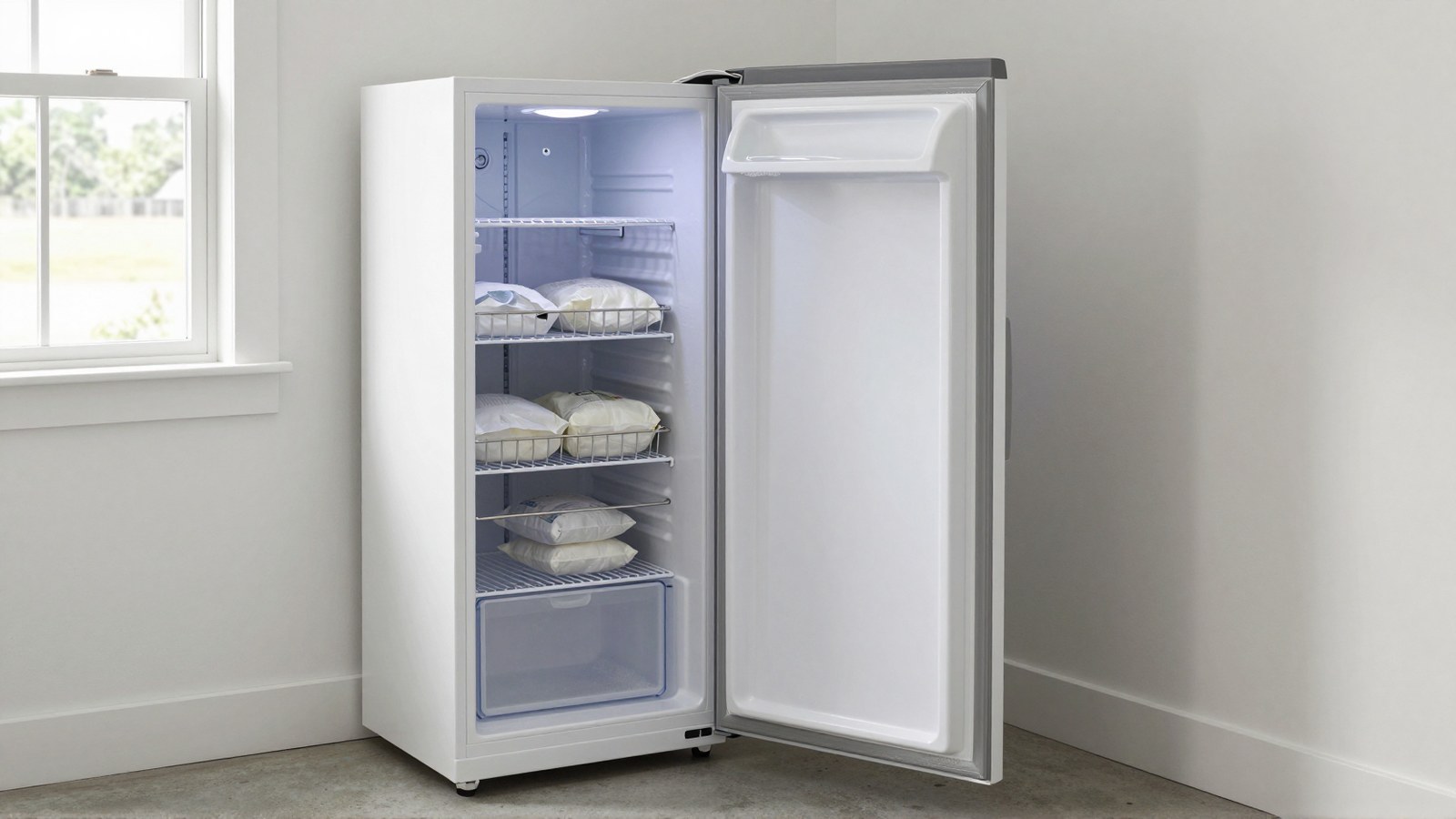
A Frigidaire freezer door that isn’t sealing can quietly turn into an expensive problem. The freezer “still works,” but frost starts creeping around the edges, the door starts popping open, and the temperature slowly becomes less reliable. The root cause is almost always the same: air is getting past the door gasket (also called the door seal). Once that happens, the freezer pulls in humid air, frost builds up, and it loses efficiency.
The good news is that most sealing problems can be corrected without replacing the appliance. The key is finding the real reason the door won’t seal: a dirty or worn gasket, a cabinet that isn’t level, a door that’s out of alignment, ice blocking contact, or something inside keeping the door from closing.
In Atlanta homes, we usually see a “Frigidaire door not sealing” problem in two situations:
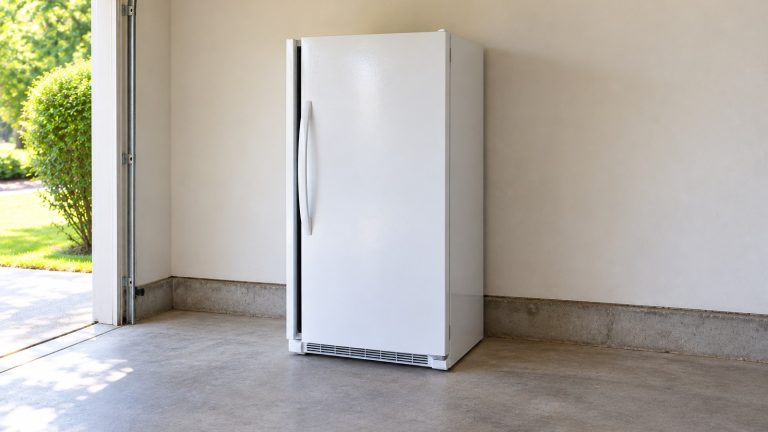
- A standalone freezer isn’t sealing. This is the classic garage or basement freezer. You have a dedicated Frigidaire freezer, and the door (or lid) is letting warm air in, causing frost and temperature swings.
- The freezer section of a refrigerator isn’t sealing. Many Frigidaire refrigerators have a freezer door or a bottom freezer drawer. When that seal fails, you see the same signs: frost, a door that won’t close cleanly, and a weak seal.
We’ll cover both — standalone freezers first, then refrigerator freezers — the same way we work on service calls.
Freezer door won’t seal and frost keeps coming back? Our Frigidaire freezer repair technicians can find the cause and get it sealing again.
What “Door Not Sealing” Really Means
When the freezer door closes, the gasket should press evenly against the cabinet all the way around and create a firm hold. If the gasket can’t press flat, or the door is slightly out of line, warm air sneaks in. Moisture follows. Moisture freezes.
Frigidaire puts it simply: frost forms when warm and cold air mix in a below-freezing space, and a door gasket or a warped door that doesn’t seal is one of the main causes.
That’s why a door that won’t seal usually leads to:
- Frost around the door edge or corners
- Ice forming along the gasket line
- The freezer running longer and louder
- Food softening near the front
- Condensation or puddles near the unit
Catch it early and it’s often a simple fix. Ignore it, and ice keeps the gasket from sealing, which lets in more air and makes more ice.
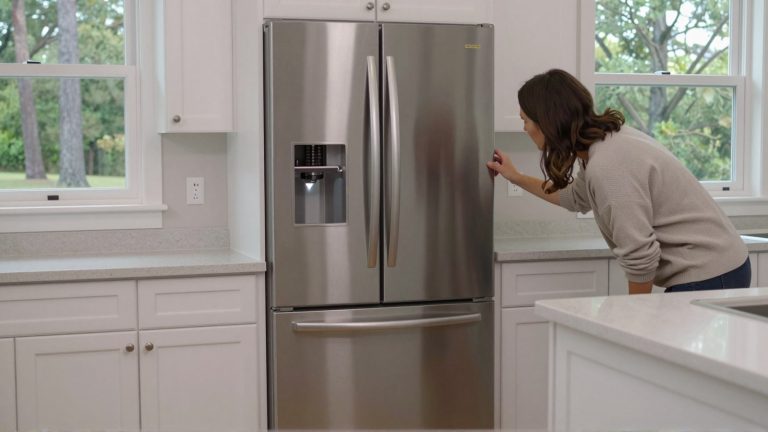
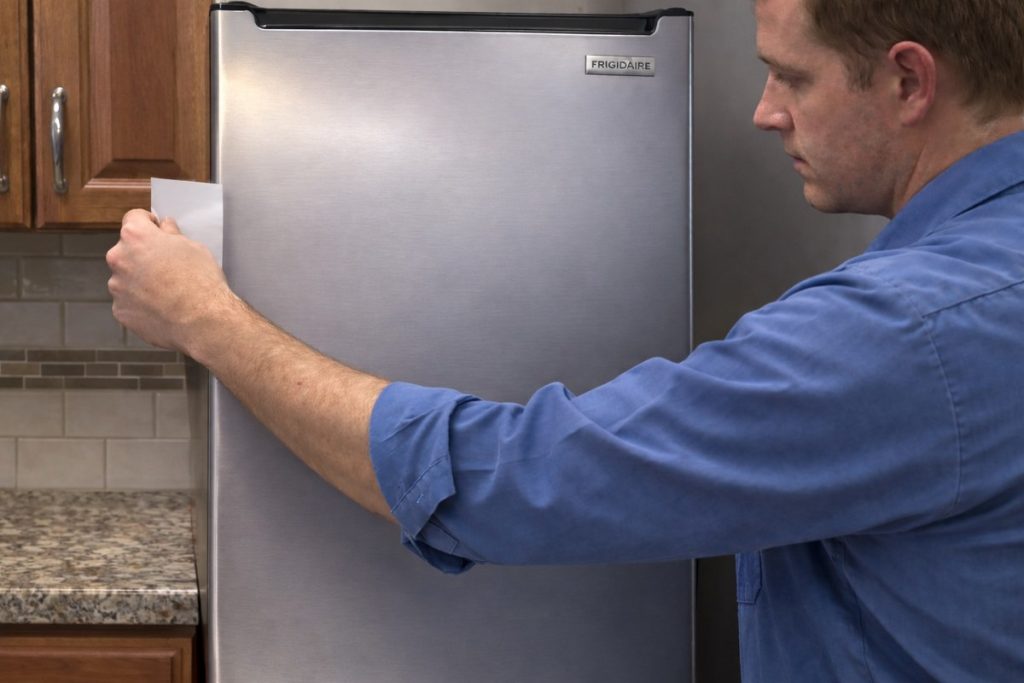
Quick check: close the door on a dollar bill and tug it. Frigidaire says you should feel a bit of resistance. If the bill slides out easily, that part of the seal isn’t holding. Try it at several spots around the door.
Standalone Frigidaire Freezers
Sealing problems show up fastest in garage and basement freezers, where the door opens often and the air is humid.
Upright Freezers: The Most Common Door Gasket Problem We See
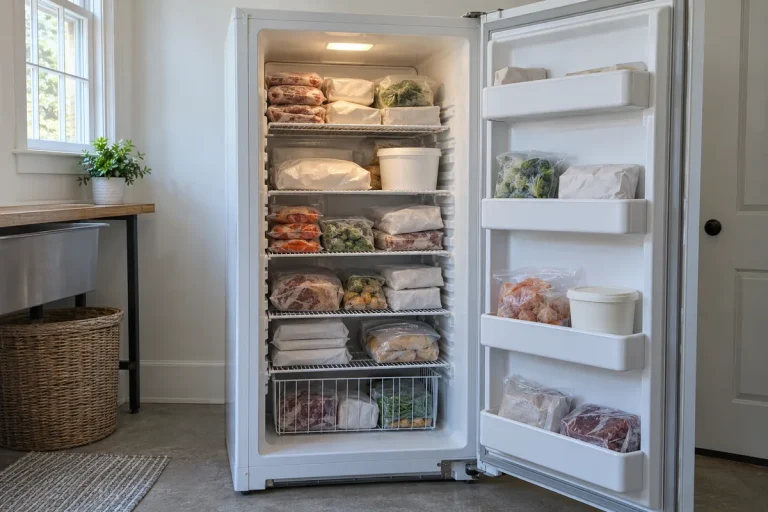
A Frigidaire upright freezer has a swinging door, and it depends heavily on the gasket. When the gasket fails on an upright, homeowners usually notice:
- Frost along the hinge side or a top corner
- A door that won’t close without a push
- A door that looks closed but doesn’t feel tight
In our experience, upright freezers develop sealing problems for five main reasons.
1) The gasket is dirty
Grease, dust, and dried food keep the gasket from making full contact. A gasket can look fine and still leak. Frigidaire notes that a dirty gasket can keep a door from closing properly.
2) The gasket is stiff, warped, or torn
Over time a gasket can harden, flatten, or pull away from the door. Cleaning won’t fix that — a warped or torn gasket needs to be replaced.
3) The door is out of alignment
Doors can sag or shift over time. Even a slight drop changes how the gasket presses and creates a gap. Frigidaire’s checklist for an installed freezer includes a door that seals completely to the cabinet on all sides and is level from side to side across the top.
4) The unit isn’t level
If the freezer isn’t level, the cabinet can twist just enough to prevent an even seal. Frigidaire’s upright freezer manual asks for all four corners to rest firmly on the floor and the appliance to be level side to side and tilted about ¼ inch (6 mm) from front to back.
5) Frost is blocking the seal
Once ice forms along the frame, the gasket can’t press flat. The fix isn’t just “defrost.” It’s defrosting plus correcting whatever let the air in.
What we recommend first:
- Clean the gasket and the cabinet face it touches with soap and warm water, and wipe the gasket with a clean, soft cloth — that’s exactly what Frigidaire’s manual says to use.
- Dry everything completely.
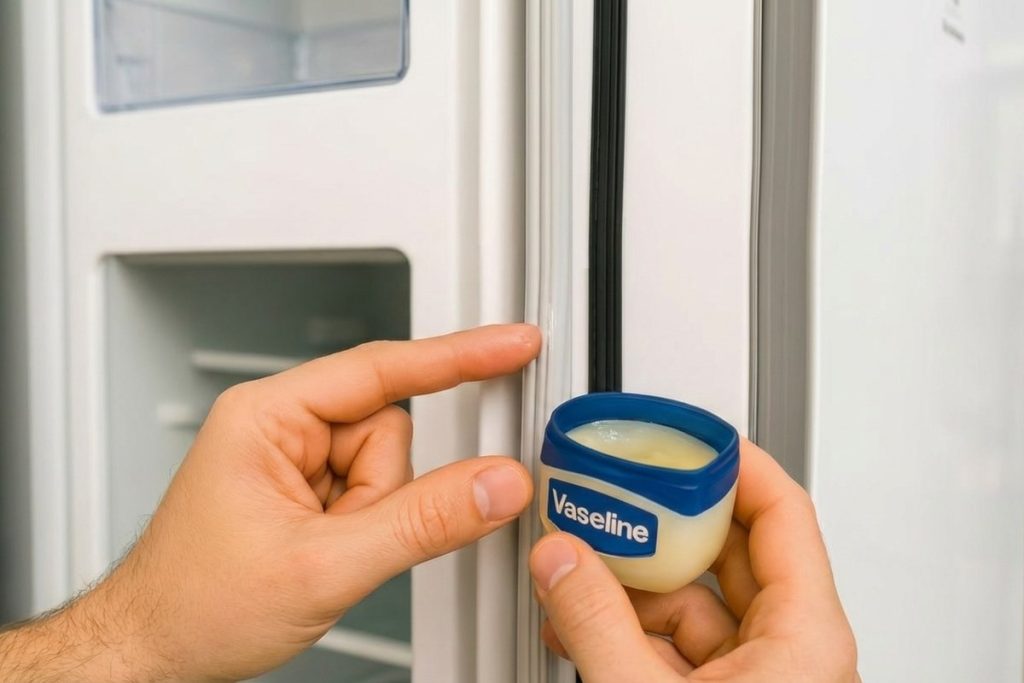
- Don’t put petroleum jelly or any petroleum-based product on the gasket. Frigidaire’s manual says not to use cleansers containing petroleum products on plastic parts, interior doors, gaskets, or cabinet liners.
- Check for uneven gaps around the door, and do the dollar bill test.
If the door still won’t seal evenly, that’s when a technician should check the alignment and the gasket.
Chest Freezers: Fewer Hinges, Different Seal Problems
A Frigidaire chest freezer doesn’t swing shut. The lid seals downward with its own weight, so it’s less prone to hinge sag — but it can still leak.
Most chest freezer sealing calls happen because:
- The freezer is overfilled and the lid can’t sit flat
- Ice builds up along the rim
- The lid gasket hardens or twists
- Debris is stuck on the sealing surface
A quick tip: If frost forms in a ring around the rim, the lid is almost always sitting slightly high somewhere. Clearing the ice and lowering the load usually fixes it early.
Single-Door Freezer Columns: Built-In Units That Need Precision
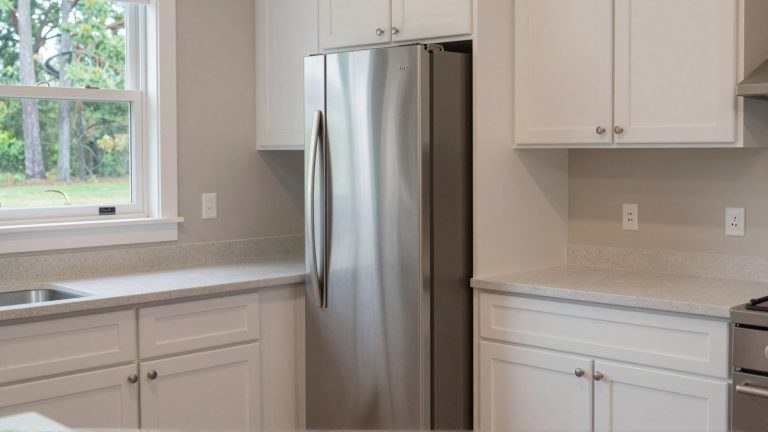
Single-door Frigidaire freezer columns are popular in higher-end kitchens because they look built in. They also need precise installation.
When these units won’t seal, we often find:
- The unit is slightly out of level
- The door isn’t square to the cabinet
- Trim, flooring, or cabinetry gets in the way of full closure
Here a new gasket alone often doesn’t solve it — leveling and alignment come first.
Frigidaire Refrigerators With Freezers
Now the second group: refrigerators with a full freezer section. Customers often tell us “my freezer door isn’t sealing” when it’s the freezer side of a refrigerator.
Side-by-Side Freezers
In a side-by-side, the freezer is a full-height door, just like an upright freezer. So the same causes show up:
- The door drifting out of alignment
- A door height that needs adjusting
- A gasket flattening on the handle side
- A seal that weakens over time
What we see most often: Frost starts at the top corner opposite the hinge. That’s a classic sign the door is slightly off-square and the gasket isn’t pressing evenly.
Frigidaire’s door alignment guide for side-by-side models adjusts door height at the bottom hinge: a set screw locks the height, and the adjustment screw is turned with a 7/16-inch wrench. Or leave it to a technician.
Bottom Freezer Drawer
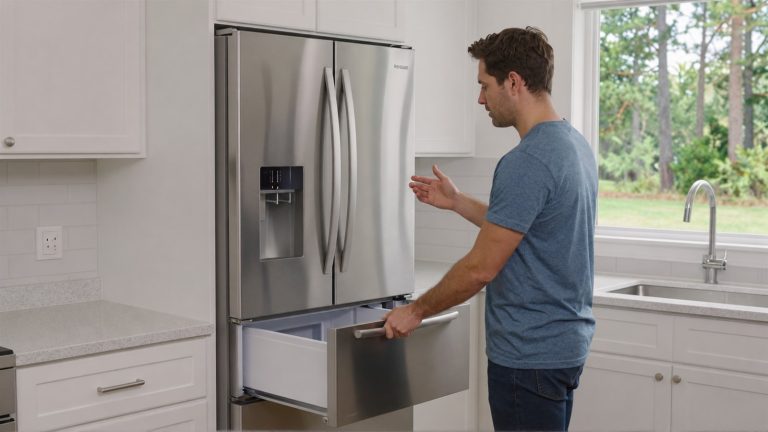
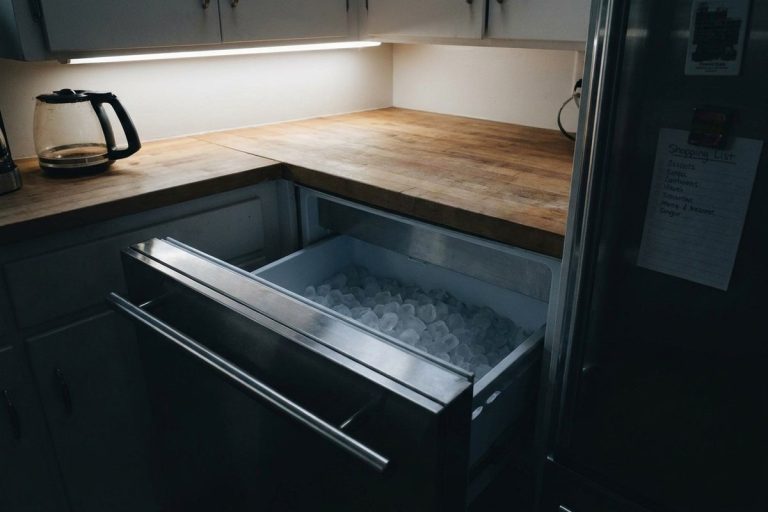
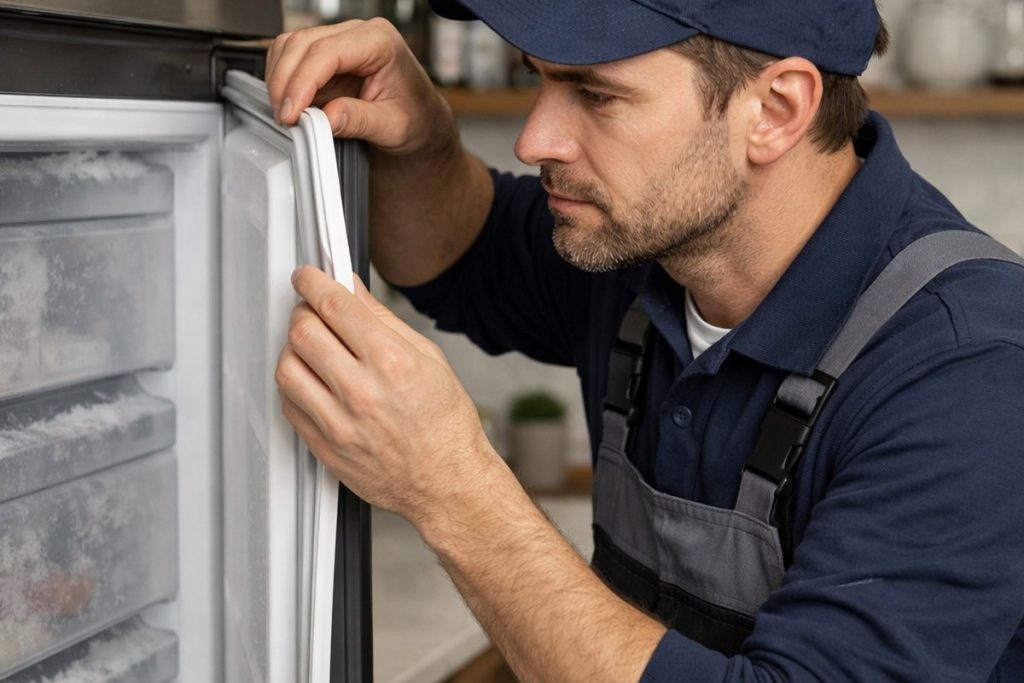
On French door refrigerators like many Frigidaire Gallery models, the freezer is a drawer. Drawers seal differently from doors. Instead of swinging into place, the drawer has to slide back into line every time. That makes them more sensitive to:
- A refrigerator that isn’t level
- A drawer loaded heavily on one side
- Ice chips and frost along the drawer edge
- Drawer rails shifting or loosening
- A gasket bent out of shape at the corners
What homeowners usually tell us:
- “The freezer drawer won’t close all the way.”
- “It closes, but frost keeps coming back.”
- “We have to slam it to keep it shut.”
That’s usually not a “bad gasket” problem first. It’s often alignment or rail seating that keeps the gasket from pressing evenly. Start with Frigidaire’s first check: make sure nothing is blocking the drawer — packages, bins, or ice.
Need help in Atlanta? We check the gasket, the alignment, and the leveling in one visit, with same- or next-day appointments available most days.
The Basics You Should Know
When we diagnose a Frigidaire door that isn’t sealing, we always look at these:
- Door gasket: clean, flexible, and seated in its track
- Door alignment: so the gasket presses the same all the way around
- Leveling: for upright freezers, side-by-sides, and drawers alike
- Frost: the sign that warm air is getting in
- The seal: the firm resistance you feel in the dollar bill test
What You Can Try Before Calling Us
If the gasket isn’t torn and the door isn’t obviously crooked, these steps are safe and often work:
- Make sure nothing inside is blocking the door or drawer
- Clean the gasket and the cabinet face with soap and warm water
- Dry everything completely
- Remove frost along the sealing line — let it melt, don’t chip it with anything sharp
- Check that the freezer is level and resting firmly on all corners
- Close the door and do the dollar bill test again
Skip petroleum jelly, waxes, and harsh cleaners — Frigidaire’s manual warns against petroleum products and concentrated detergents on gaskets.
Still leaking? Then it’s likely alignment, leveling, or drawer rails — a job for a technician.
When to Call for Professional Repair
We recommend service when:
- The gasket is torn, warped, or pulling away
- Frost comes back quickly after defrosting
- The freezer door won’t close unless you force it
- The unit isn’t holding its temperature
- You suspect a door alignment or drawer rail problem
- The refrigerator or freezer rocks or isn’t level
A leaking seal makes the compressor work harder; fixing it early is one of the most cost-effective repairs there is.
A Tight Seal Protects the Whole Appliance
A freezer door that won’t seal affects temperature, energy use, and long-term reliability — and on any Frigidaire freezer, the fix comes down to the same core checks.
We restore the seal by fixing the real cause — usually a combination of cleaning or replacing the gasket, adjusting the door, leveling the cabinet, and clearing frost.
If your Frigidaire freezer door won’t close or the seal is leaking, our Frigidaire freezer repair team is ready to help. With 15+ years of experience, our technicians are background-checked, we use genuine OEM parts, and our repairs come with a warranty of up to six months on parts and labor.
FAQ
Why is my Frigidaire freezer building frost around the door?
Because warm air is getting in through a weak seal. Frigidaire explains that frost forms when warm and cold air mix in the freezer, and a gasket or door that doesn’t seal is a common cause. The moisture freezes along the gasket line and makes sealing even worse.
Can petroleum jelly help a Frigidaire door gasket seal better?
Not on a Frigidaire. Frigidaire’s freezer manual says not to use cleansers containing petroleum products on gaskets and other plastic parts. Clean the gasket with soap and warm water and wipe it with a soft cloth. If it’s stiff, warped, or torn, it needs to be replaced.
How do I know if my door needs adjusting?
If the door seals on one side but not the other, frost keeps appearing in the same corner, or the door looks like it’s sagging, it probably needs alignment. Frigidaire’s own checklist asks for a door that’s level from side to side across the top and seals to the cabinet on all sides.
Why does my freezer door pop open after I close it?
Usually something is in the way — a package, a bin, or ice along the edge — or the door is out of alignment, or the cabinet isn’t level. Frigidaire’s first step is to make sure nothing is blocking the door and the gasket is clean.
How do I test my freezer door seal?
Close the door on a dollar bill and pull it out. You should feel a bit of resistance. If it slides out easily, the seal isn’t holding at that spot. Try several places around the door.
Do refrigerator freezer sections have the same seal problems?
Yes. Side-by-side freezer doors behave like upright freezers, and bottom drawers depend on sliding back into line. Both need a clean gasket pressing evenly.
Frigidaire is a registered trademark of its owner. We are an independent appliance repair company and are not affiliated with or endorsed by Frigidaire.