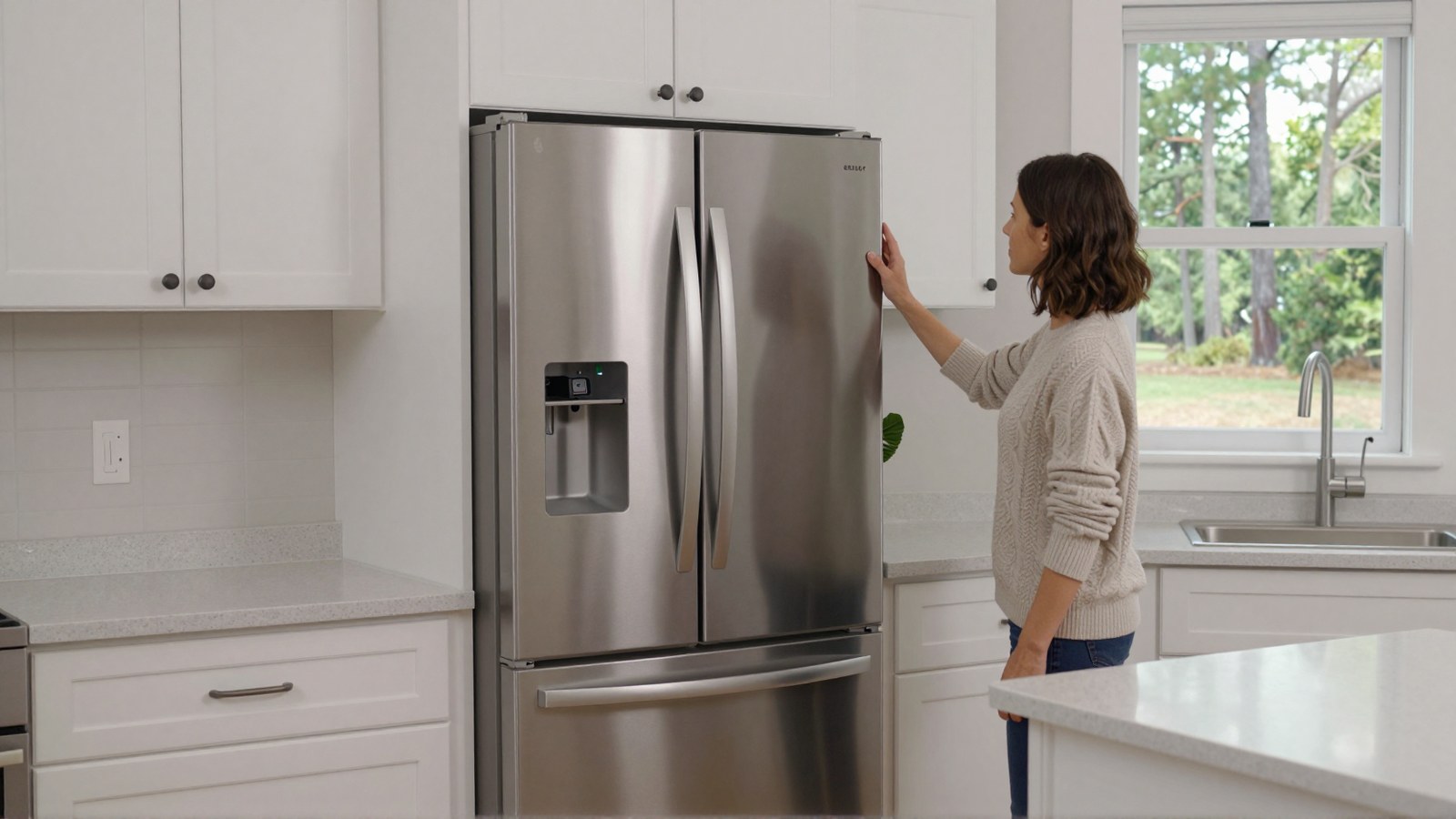
A Whirlpool door that won’t close properly is one of the most deceptive problems a refrigerator can have. At first glance, the door looks fine: it shuts, the light turns off, and everything seems normal. But behind the scenes, cold air escapes, moisture gets in, and the appliance starts compensating, quietly putting extra load on its parts.
A door that won’t close is rarely a one-part problem. Whether it’s a French door model like the WRF555SDFZ, a side-by-side, or a bottom-freezer refrigerator, the cause usually involves several things working together, or failing together. If you’d rather have it checked, our refrigerator repair team handles Whirlpool calls across metro Atlanta.
This article explains why it happens, which checks are safe at home, what Whirlpool’s own manual says about door closing and alignment, and when a technician is the better choice.
Why a Whirlpool Door That Looks Closed Isn’t Sealing
Many homeowners notice that their Whirlpool door appears closed, but frost, condensation, or spoiled food start to show up. That happens because a door does more than swing shut. Proper closure involves:
- Alignment with the cabinet frame
- Compression of the door gasket along every edge
- The door’s closing hardware guiding it the last few inches
- A tight seal that keeps warm air out
When any of these fails, the door may look shut but not seal completely. Even a small gap can cause:
- Frost or ice buildup in the freezer
- Moisture collecting near shelves or drawers
- Temperature swings that affect food storage
- More running time as the refrigerator works to stay cold
In our experience, most door-closing problems develop gradually. A slight sag in a French door, a warped gasket, or a hinge that has shifted may be subtle at first, but the effects add up over time.
Common Causes of a Whirlpool Door Not Closing
Across French door, side-by-side, and bottom-freezer models, the same handful of causes come up again and again. Knowing them can help you figure out what’s happening before you call a technician.
1. Obstructions
The simplest cause is often overlooked: something inside the refrigerator. Over time, food storage changes, ice can build up, and bins may shift slightly. These small blockages keep the door from compressing the gasket fully.
Common obstructions include:
- Overfilled freezer drawers or bins pushing against the door
- Ice buildup along rails or behind drawers
- Tall containers in French door refrigerators blocking door movement
- Shelves or baskets that aren’t seated properly
Clearing obstructions may let the door close normally. If the problem stays after you remove items, something else is contributing.
2. Leveling and Tilt
Even a slight lean can keep a door from sealing. Whirlpool’s Use and Care Guide for the WRF555SDFZ puts it plainly: after the refrigerator is moved into place, “Make sure the doors close easily.” If “the doors do not close easily or the doors pop open, adjust the tilt.” The guide’s steps level the refrigerator side to side and front to back, then raise the front slightly with the front adjusters so the doors close more easily, turning both sides the same amount to keep it level.
Leveling problems can show up after:
- Moving the appliance for cleaning or renovation
- Replacing flooring or cabinets
- Subtle settling of the floor over the years
Signs that leveling affects door closure include:
- Doors drifting open after you let go
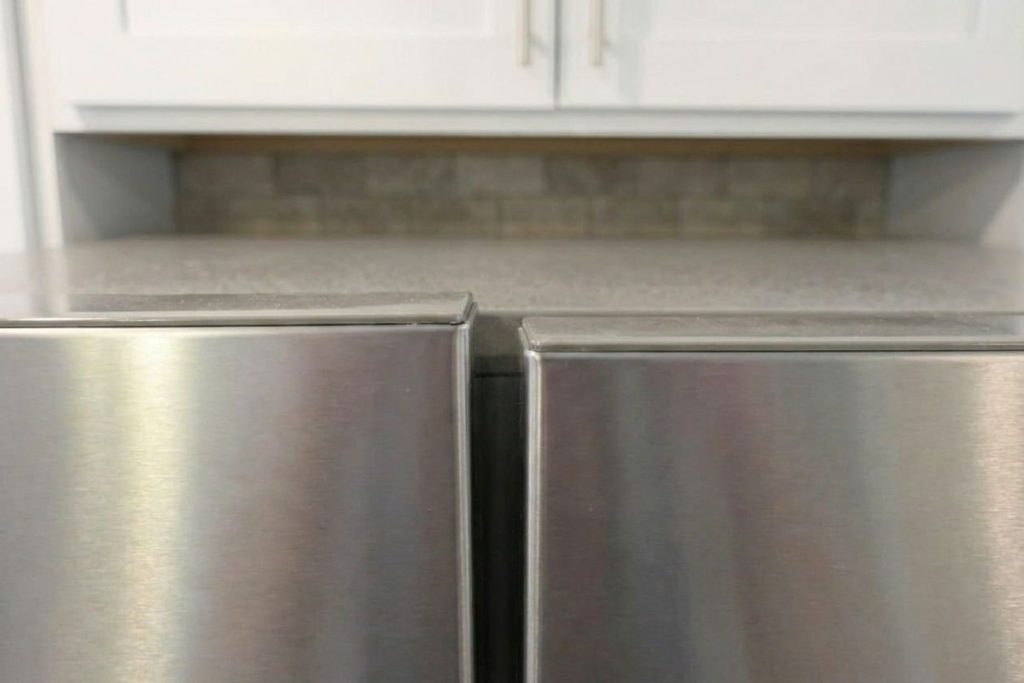
- Uneven closing on French door models
- Bottom-freezer drawers not sitting flush
Leveling is an installation step, so follow the exact procedure in your own model’s guide, or leave it to a technician. Over-adjusting one side can twist the cabinet slightly and put stress on the hinges, which often makes the problem worse.
Damaged Gasket: Why a Small Failure Has Big Consequences
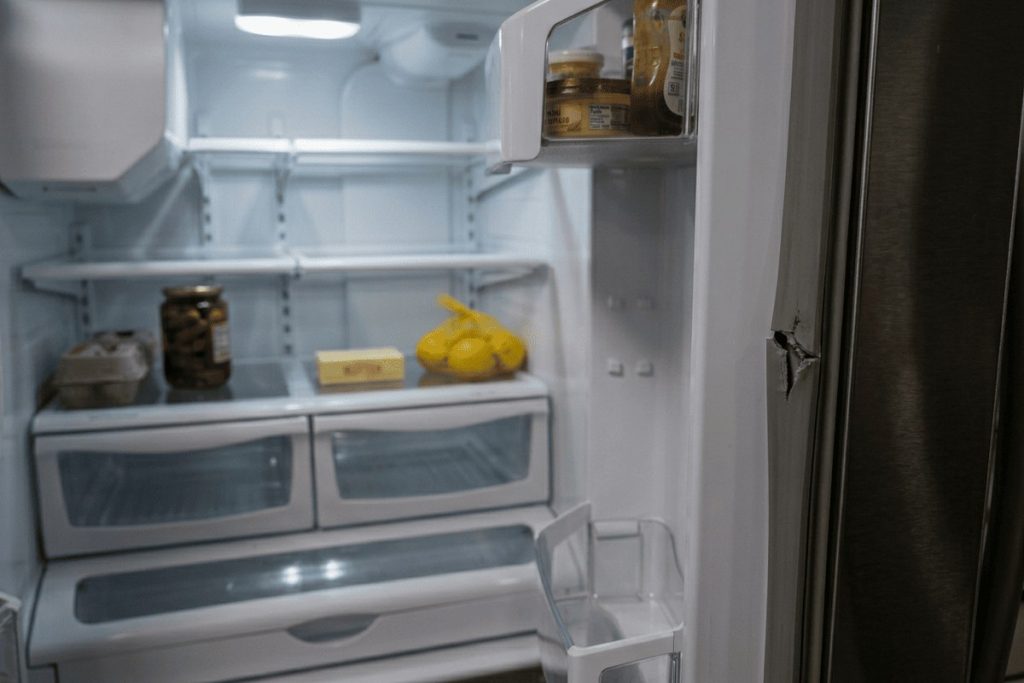
The door gasket is one of the most important and least understood parts of a Whirlpool refrigerator. Its job goes beyond blocking air: it has to flex, compress, and rebound every time the door closes while keeping a tight seal.
Subtle gasket problems gradually lead to a door that won’t close properly.
Signs of gasket issues include:
- The door pushes back slightly after closing
- Frost or condensation forms along the edges
- Uneven resistance when you press along the door edge
- The refrigerator running longer than it used to
A common misconception is that cleaning alone will solve a gasket problem. Debris can prevent proper sealing, and cleaning helps, but once the gasket warps, cracks, or stiffens, replacement is the long-term fix. When you clean, Whirlpool’s guide warns against abrasive or harsh cleaners, cleansers containing petroleum products, and paper towels or scouring pads on door liners and gaskets; mild soap and water and a soft cloth are the safe choice. A poorly fitted replacement gasket often leads to repeat problems, which is why a professional evaluation is usually the smartest course.
Shifted Hinges: The Quiet Cause of Sagging Doors
A refrigerator door is heavier than it looks, especially on side-by-side and French door models. Over time, a hinge that has shifted or worn can let the door sag so it no longer compresses the gasket evenly.
Symptoms of hinge trouble include:
- Slight misalignment along the top or bottom of the door
- Uneven pressure when closing, often noticeable on bottom-freezer drawers
- Doors that aren’t even with each other at the top
On French door models, Whirlpool’s guide asks owners to check that “the doors are even at the top” and that the space between the bottom of the refrigerator doors and the top of the freezer drawer is even, and it describes an alignment screw inside the bottom hinge pin of the right-hand door that raises or lowers that door. Hinge problems rarely appear overnight. They usually develop slowly, often alongside gasket wear and small leveling issues, which is why an early check can prevent further damage.
The Closing Mechanism and the Bottom Door Hinge
Some Whirlpool French door models have an automatic closing mechanism. According to the WRF555SDFZ guide, “If a door is open at a 40° or smaller angle, the door will automatically, softly close.”
Owners often notice when it’s not working:
- The door doesn’t close by itself from a small angle and needs a push
- Clicking or grinding during the last few inches of closing
- An uneven seal along the gasket
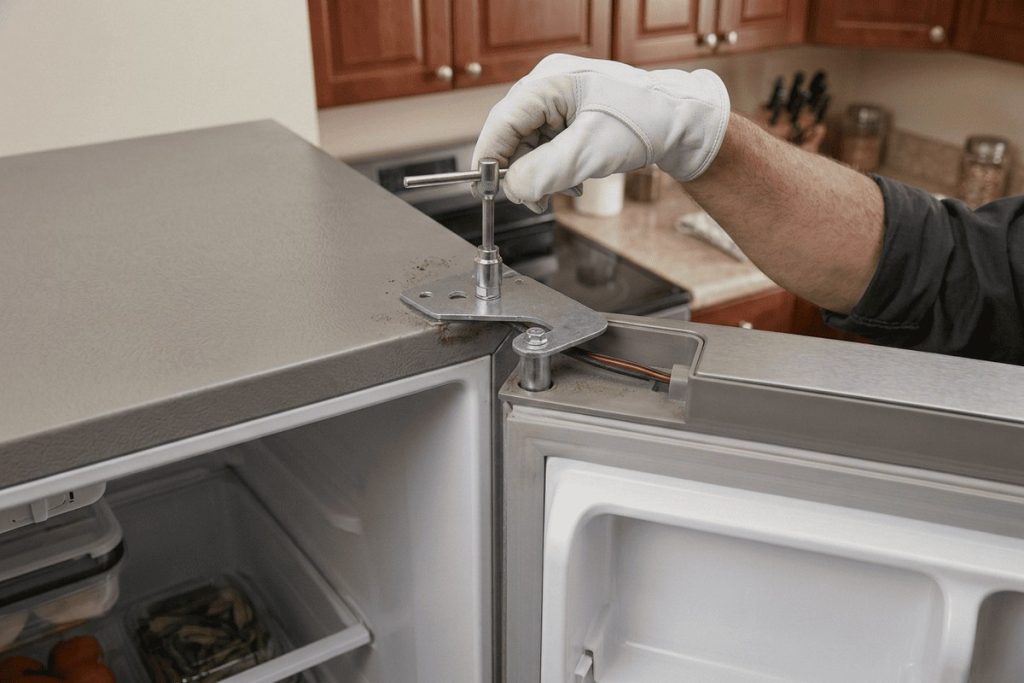
The guide’s own note: “If the doors do not automatically close at a 40° or smaller angle, see ‘Bottom Door Hinge.'” The bottom hinge has to be reset if a door was taken off without being opened to a 90° angle first. That procedure involves lifting the door off its hinge pin, so it’s a two-person job best left to a technician. A door that seems “fixed” but still won’t close usually has a hinge that was reinstalled out of position.
The Center Seal on French Door Models
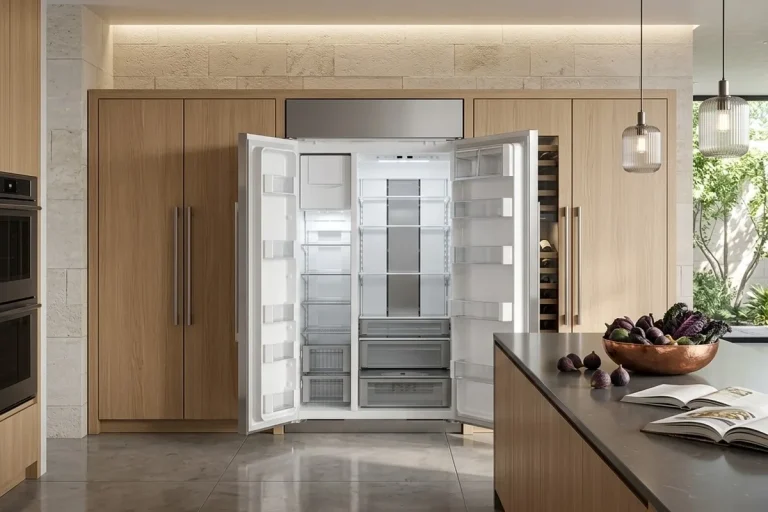
French door refrigerators have a part many owners have never noticed. On the WRF555SDFZ, Whirlpool describes “a vertically-hinged seal on the left refrigerator door.” When the left door opens, the seal folds inward and out of the way; when both doors are closed, it “automatically forms a seal between the two doors.”
When that hinged seal is bent, sticking, or blocked, you may see:
- One door closing fully while the other stays slightly open
- Frost building in the freezer
- Moisture or water around the refrigerator doors
Because the seal affects both doors at once, forcing it rarely helps. Close the left door gently and watch whether the seal folds and seats. If it doesn’t, a technician can inspect and adjust it.
One related detail from the same guide: the door switch sits in the top hinge cover and uses a magnet to sense the door. Whirlpool asks owners to keep magnets and electronic devices, such as speakers, at least 3 inches from the hinge cap; otherwise the light and the internal display may not turn on when the door opens.
Why Freezer Doors Often Show Problems First
Even when a problem starts in the refrigerator section, the freezer often shows symptoms first. Freezers are less forgiving because even a small gap lets warm, humid air in, leading to:
- Fast frost buildup
- Ice clumping that keeps drawers from sliding
- More humidity and temperature swings
Owners often read these signs as a failing freezer when the real cause is a misaligned door, a shifted hinge, or a center seal problem. Knowing this helps prevent unnecessary part replacements.
Safe DIY Checks for Homeowners
Some Whirlpool door problems need professional service, but a few checks help you identify the issue early:
- Check for obstructions: Remove tall containers, overfilled bins, or anything that may keep the door from seating properly.
- Inspect the door gasket: Look for cracks, warping, or stiffness. Clean it with mild soap and water and a soft cloth, and see whether it compresses evenly.
- Look at the doors: Are they even at the top? Is the gap above the freezer drawer even?
- Watch the closing: Open the door slightly, under the 40° angle mentioned in the guide, and let go. Does it close on its own? Listen for clicking or uneven movement.
- Check the center seal: On French door models, watch whether the hinged seal on the left door folds and seats when both doors close.
These checks help you understand the problem and sometimes fix a simple obstruction. Don’t force the door, bend hinges, or take doors off without the full procedure from your guide; those shortcuts usually make the issue worse.
Consequences of Ignoring a Door That Won’t Close
A Whirlpool door that doesn’t close properly may seem like a small inconvenience, but the effects grow over time:
- More running time: The refrigerator works harder to hold temperature.
- Extra wear: Fans, hinges, and seals all work under more stress.
- Food safety: Warm air and moisture speed up spoilage and frost buildup.
- Bigger repairs later: Small issues left alone can turn into larger ones.
These effects build quietly. By the time frost or spoiled food shows up, the hinge, gasket, or center seal has usually been under strain for a while.
Professional Repair: Why It Matters
A technician treats a door that won’t close as a system problem, not a cosmetic one. A proper visit includes:
- Full diagnosis: hinges, gasket, closing mechanism, center seal, and leveling.
- Alignment: leveling, tilt, and door alignment done to the procedure for your model.
- Correct parts: model-specific gaskets and hinge parts.
- A final test: doors close on their own from a small angle and seal evenly.
That restores the seal and protects your food.
The Bottom Line
A Whirlpool door that won’t close is a sign that something in the system has slipped, whether it’s:
- Obstructions in drawers or shelves
- Leveling or tilt that misaligns the doors
- A damaged gasket that no longer seals
- A shifted hinge causing sag
- A closing mechanism or bottom hinge out of position
- The center seal on French door models
Safe checks can reveal obstructions and simple issues. When alignment or hinge work is involved, professional repair is the smarter solution.
Get the door closing right again. Book Whirlpool refrigerator repair with PRO Appliance Repair. We’re family-owned and insured, with same- or next-day service on most days across metro Atlanta. Our EPA 608 certified, background-checked technicians use genuine OEM parts, and our repairs carry a warranty of up to six months.
FAQ
Why does my Whirlpool door look closed but still cause frost?
Even if it appears shut, a damaged gasket, a shifted hinge, or a center seal that isn’t folding properly can let warm air in, leading to frost and condensation.
Should my Whirlpool door close by itself?
On some French door models, yes. Whirlpool’s WRF555SDFZ guide says a door opened at a 40° or smaller angle will automatically, softly close. If it doesn’t, the guide points to the bottom door hinge.
Are French door problems more complex?
Often. The vertically-hinged seal on the left door and the alignment between the two doors both affect the seal, and adjusting them usually takes a technician.
Is it safe to keep using the refrigerator for now?
Short-term use is possible, but a door that doesn’t seal makes the refrigerator work harder, adds wear, and risks food spoilage.
Can leveling fix a door that pops open?
Sometimes. Whirlpool’s guide says that if the doors don’t close easily or pop open, adjust the tilt by raising the front slightly. Follow your own guide’s steps, or have a technician do it.
PRO Appliance Repair is an independent repair company and is not affiliated with, sponsored by, or endorsed by Whirlpool Corporation. Brand and model names are used only to identify the appliances this page is about and remain the trademarks of their respective owners.